Mission & Impact

A social enterprise
with commercial discipline.

Four non-negotiable pillars. Every operational decision evaluated against them. These are not side effects of commercial activity — they are the reason the business exists.

“Kalahari Green Botanicals exists to demonstrate that regenerative African agriculture, dignified rural employment, San community inclusion, ancient ecosystem protection, and premium European markets can align into a single integrated enterprise that delivers measurable environmental restoration, poverty alleviation, and women's economic agency.”

Mission Statement
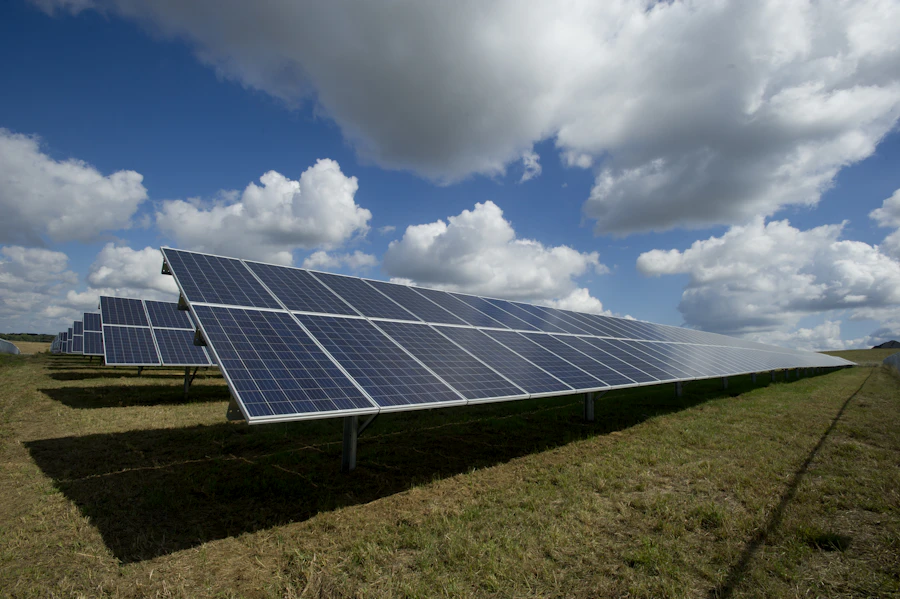
Solar panels in a natural landscape
01
Pillar One

Environmental Regeneration Through Measurable Action

Every environmental commitment is a measurable system — designed, built, and third-party audited. Not marketing. Not aspiration. Operational targets with documented baselines and annual reporting.

  • ECOCERT organic certification across all production from day one — full certification by Year 3
  • Drip irrigation reducing water consumption by 60% compared to conventional methods
  • Solar photovoltaic systems powering 80% of Swakopmund facility by Year 3, 100% by Year 5
  • Low-temperature solar-assisted drying to preserve heat-sensitive nutrients
  • Biodegradable paper packaging with compostable cellulose inner liner — zero plastic
  • Closed-loop waste management: leaf residues composted, seed residues to livestock, process water reused
  • Regenerative agriculture with indigenous tree corridors and soil carbon sequestration
  • Ancient baobab ecosystem protection through sustainable commercial harvest
Workers at a food processing facility
02
Pillar Two

Youth Employment in Swakopmund

Swakopmund is our home. Youth unemployment in this coastal community is among the highest concentrations in Namibia. Our solar-powered processing facility addresses this specific challenge with concrete, measurable commitments.

  • 25–35 full-time positions by Year 3 at the Swakopmund processing facility
  • 60% minimum female hiring target — prioritising young women from Erongo Region
  • Wages 15% above Namibian agricultural and food processing minimum, increasing annually
  • Certified skills training in food safety (HACCP), quality assurance, and export documentation
  • Apprenticeship partnership with NUST for paid internships in food science and export logistics
  • Profit-sharing mechanism for employees with 3+ years tenure from Year 3 onwards
  • Paid sick leave, enhanced maternity leave, and healthcare contributions for all permanent staff
  • Inclusive hiring specifically for marginalised communities including San women in farm operations
Kalahari Desert landscape — Omaheke Region, Namibia
03
Pillar Three

San Women Employment in Omaheke

The San community represents one of southern Africa's most marginalised demographic groups — facing historical land dispossession, economic exclusion, and limited access to formal employment. San women in Omaheke face compounded disadvantage. Kalahari Green commits to specific, intentional employment as direct economic agency for women whose communities have been excluded from the regional economy.

  • At least 30% of Omaheke farm operations workforce to comprise San women from Year 1, with specific recruitment through San community networks
  • Wage parity with all other workers at Omaheke operations — no differential treatment based on community background
  • Skills training pathway enabling promotion regardless of formal educational background historically denied
  • Cultural respect including traditional practice allowances, language acknowledgment, and community engagement protocols
  • Transportation support recognising geographic distance of many San communities from formal operations
  • Healthcare contributions covering San women employees and their families
  • Engagement with San advocacy organisations including WIMSA and relevant Namibian government departments
  • Annual public reporting on San women employment outcomes including income change and skills progression
African woman harvesting crops in the field
04
Pillar Four

Rural Women's Empowerment in Northern Namibia

Former Ovamboland includes some of the highest concentrations of rural poverty in Namibia. Rural Aawambo women are the traditional custodians of ancient baobab ecosystems whose protection is integral to our environmental mission.

  • Women's producer cooperative launched in Year 1 under Namibian Cooperatives Act of 1996
  • Founding membership of 30 Aawambo women, scaling to 500+ by Year 5
  • Guaranteed 10-year purchase agreement at fair trade pricing plus quality-indexed premium
  • Transparent pricing formula indexed to EU wholesale market rates, published to all members
  • Free moringa seedlings and agronomic training provided to all cooperative members for 5 years
  • Cooperative governance completely independent — elected leadership from women members only
  • Annual cooperative development fund from fair trade premium, voted on by members
  • Fairtrade International certification targeted for Year 4–5
Measurable Impact

Impact measured at the level of
specific human beings.

0 Direct Employees

Young people in Swakopmund with documented income change, skills certification, and career progression by Year 3.

0 Cooperative Members

Rural Aawambo women with documented household income change, cooperative governance participation, and community programme access by Year 5.

0 Household Beneficiaries

Direct household members of employees and cooperative members with documented livelihood improvement across Namibia.

0 UN SDGs Addressed

Directly addressed through measurable outcomes across the full operation — not claimed, verified by third-party audit from Year 2 onwards.

UN Sustainable Development Goals

Seven goals.
Measurably addressed.

Kalahari Green's operations map directly onto seven specific SDGs, each with documented outcomes reported annually.

1 No Poverty
5 Gender Equality
8 Decent Work
10 Reduced Inequalities
13 Climate Action
15 Life on Land
17 Partnerships